
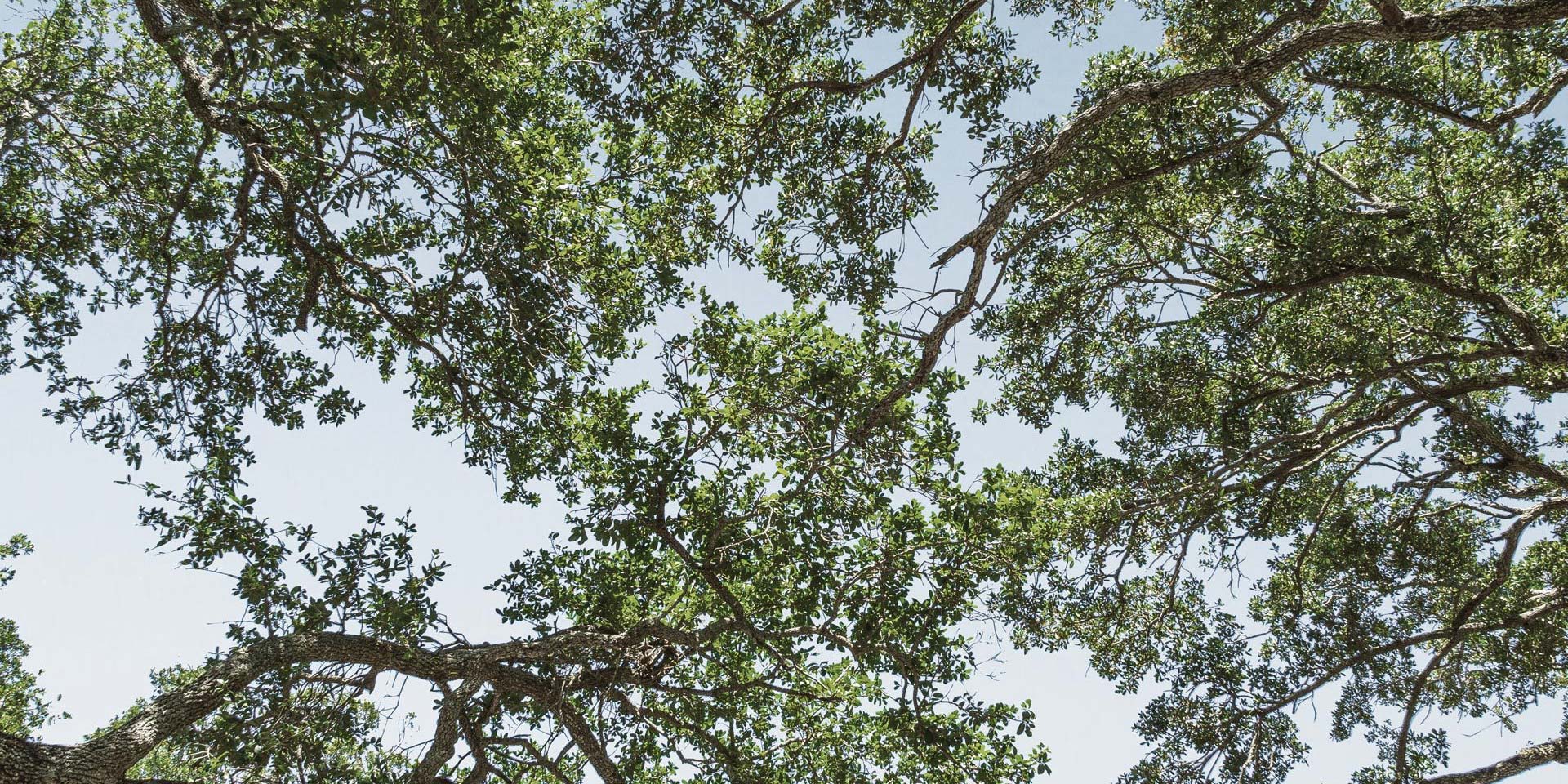
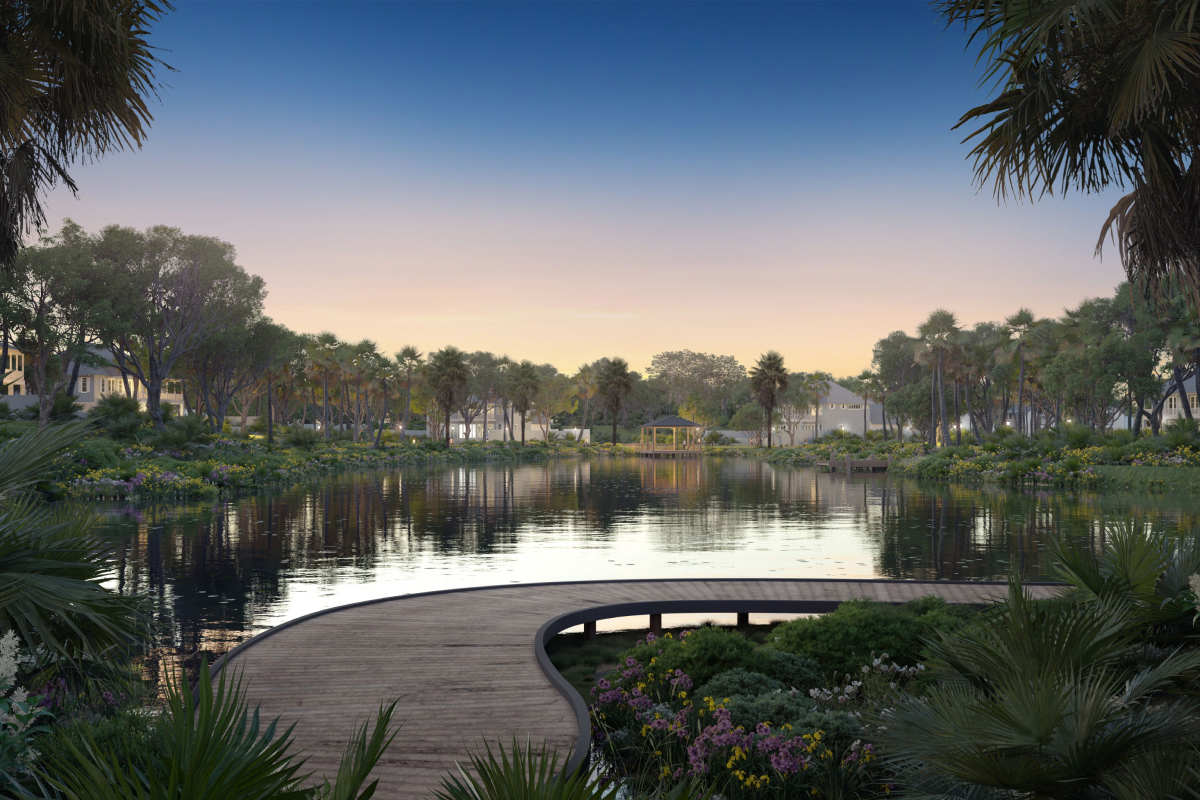
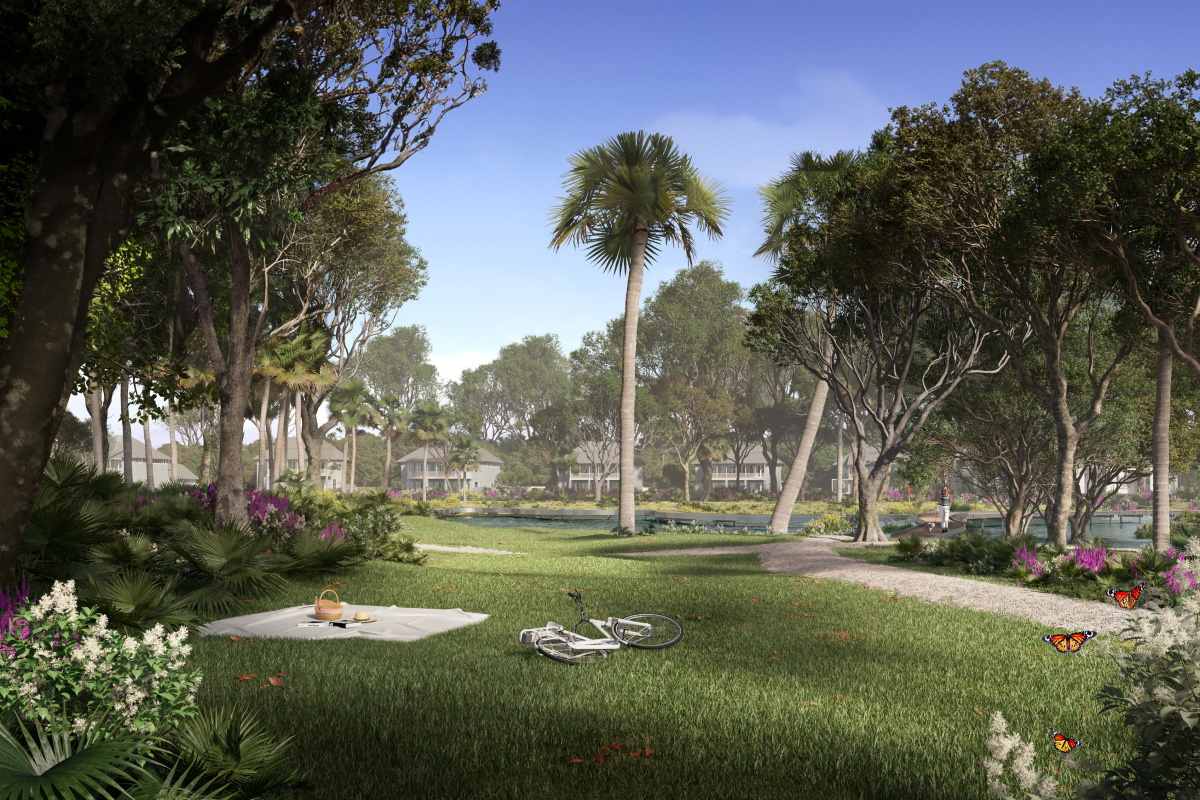
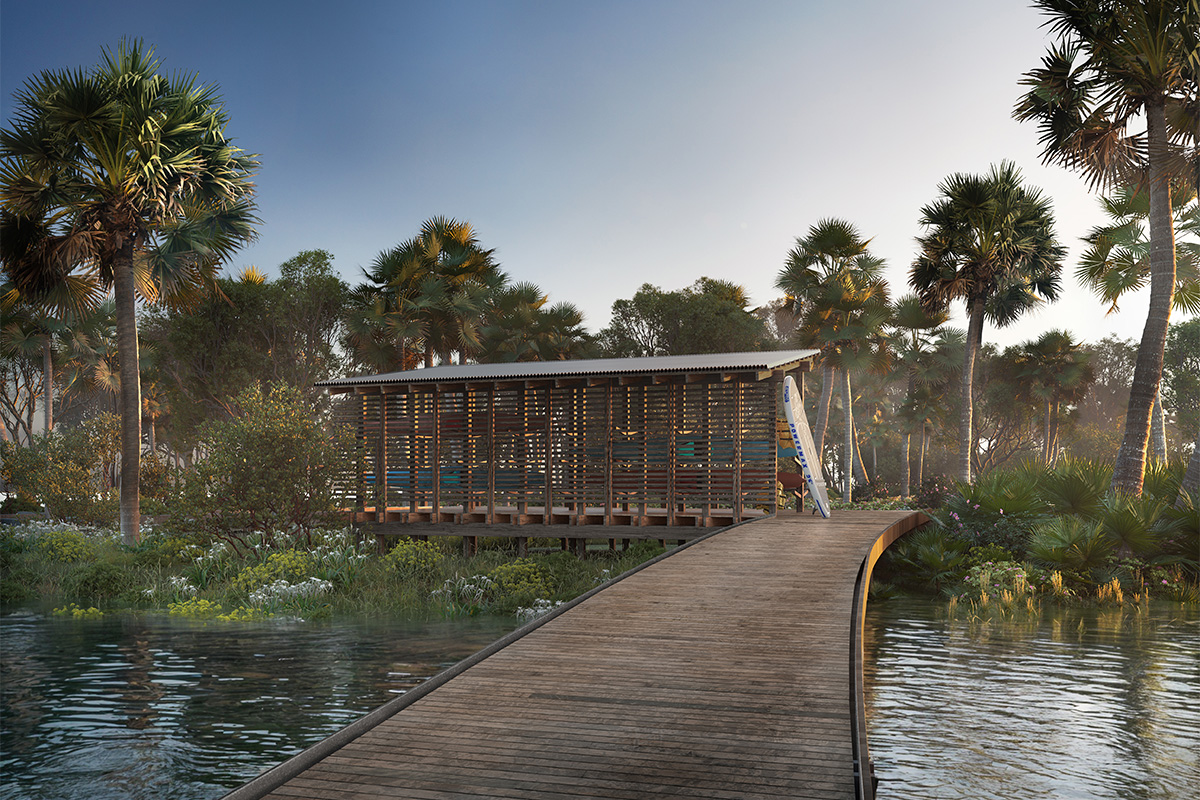
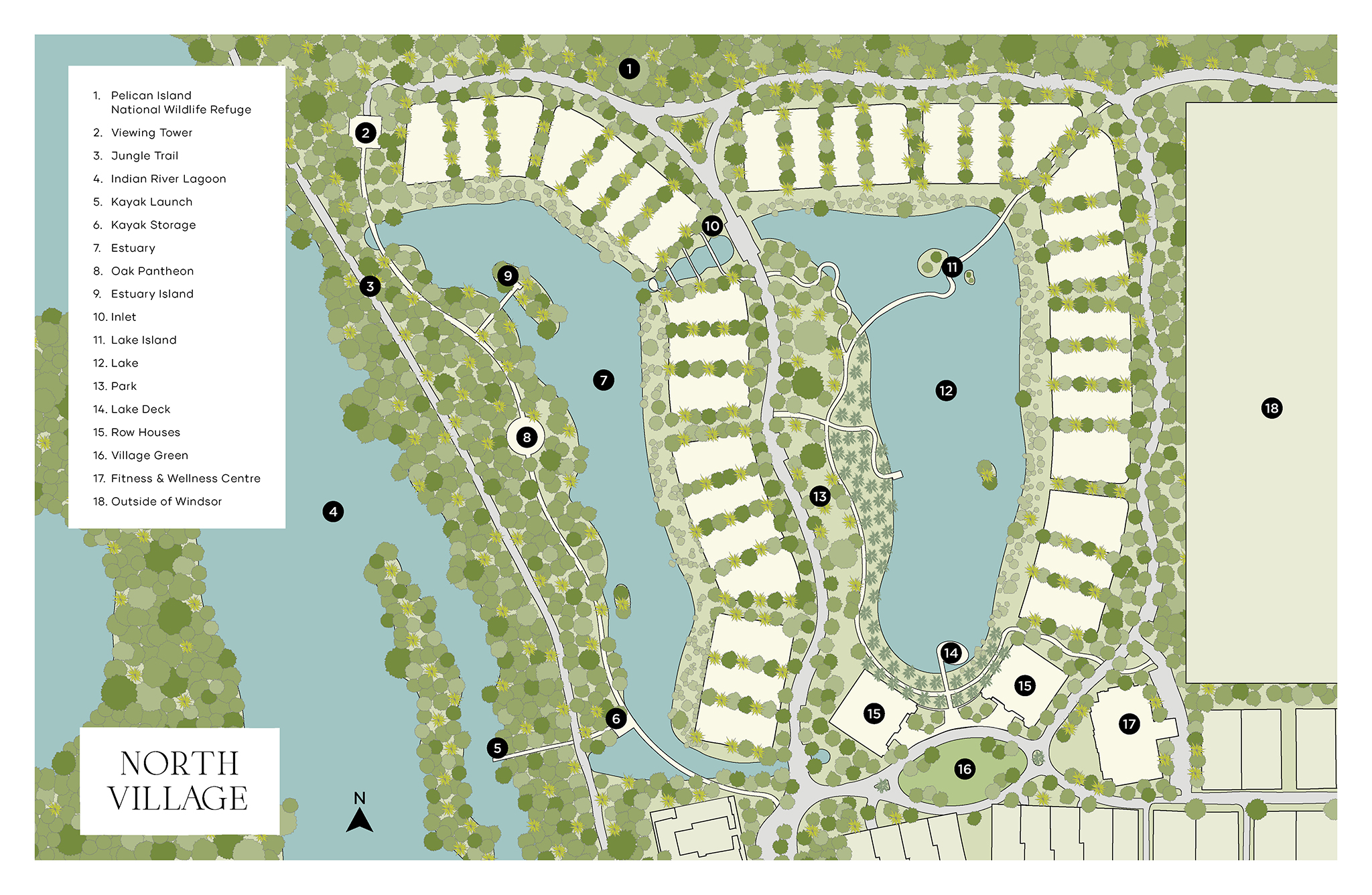
With scenic trails, landscaping that supports native flora and fauna, and quiet places to pause and take in peaceful views, the North Village will foster wellbeing.

A FRESH PRESPECTIVE
Introduction
With the development of the North Village, Windsor completes the final phase of a passion project begun by co-founders W. Galen and Hilary M. Weston over three decades ago. The North Village is at once a seamless expansion of this beloved seaside community, and a fresh new vision for it. Inspired both by past success and future possibilities, it builds on the thoughtfully crafted master plan and elegant architectural aesthetic established by pioneering New Urbanism architects Andrés Duany and Elizabeth Plater-Zyberk while introducing an even greater commitment to sustainability
A LASTING LEGACY
Nature & Sustainability
The final phase of Windsor, the North Village is at once a seamless expansion of this beloved seaside community, and a fresh new vision for it. Based upon the principles of the New Urbanism movement and enhanced with heightened focus on sustainability, it offers a mix of residences, green civic spaces and new amenities.
Look deep into nature, and then you will understand everything better
– Albert EinsteiN
A Natural Tapestry
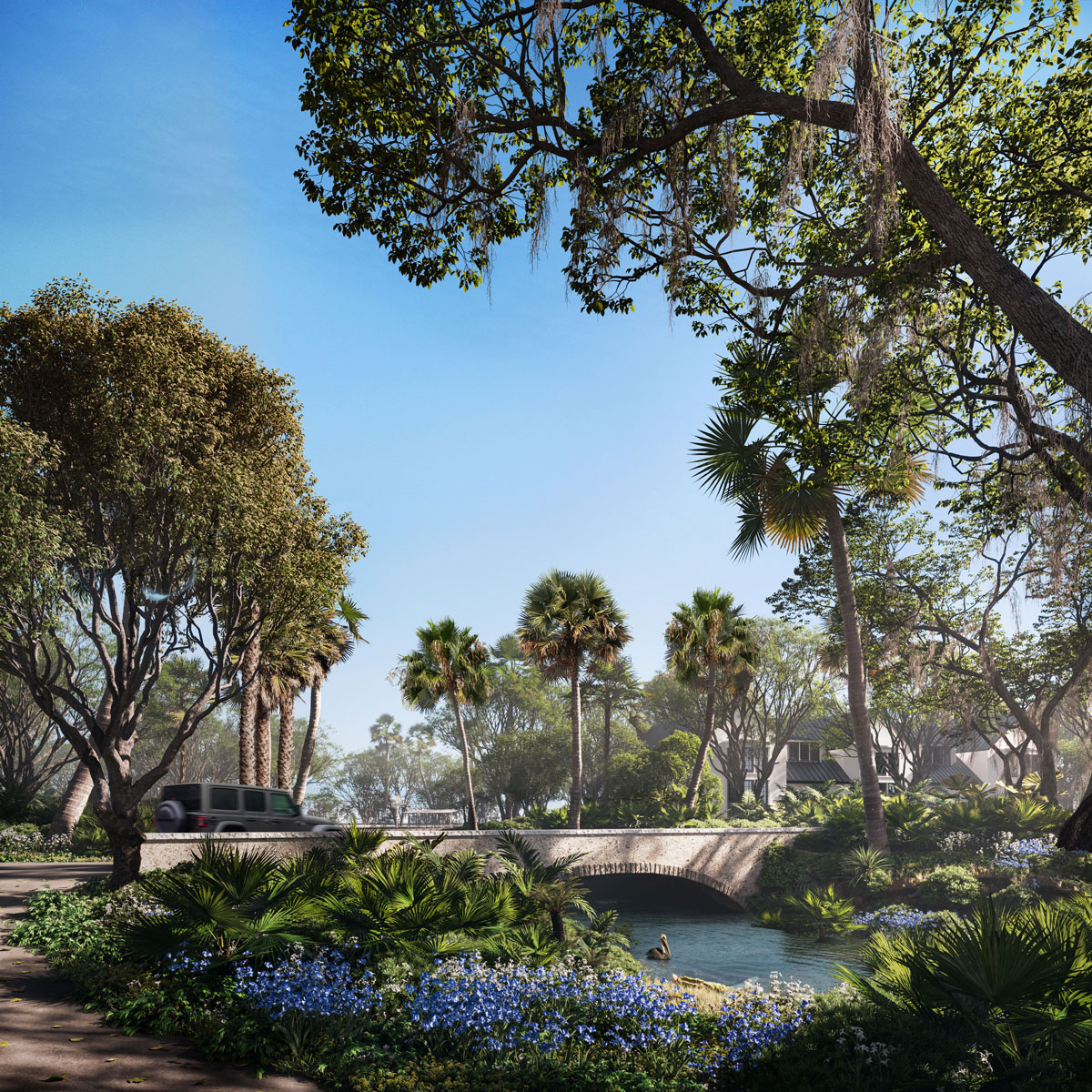
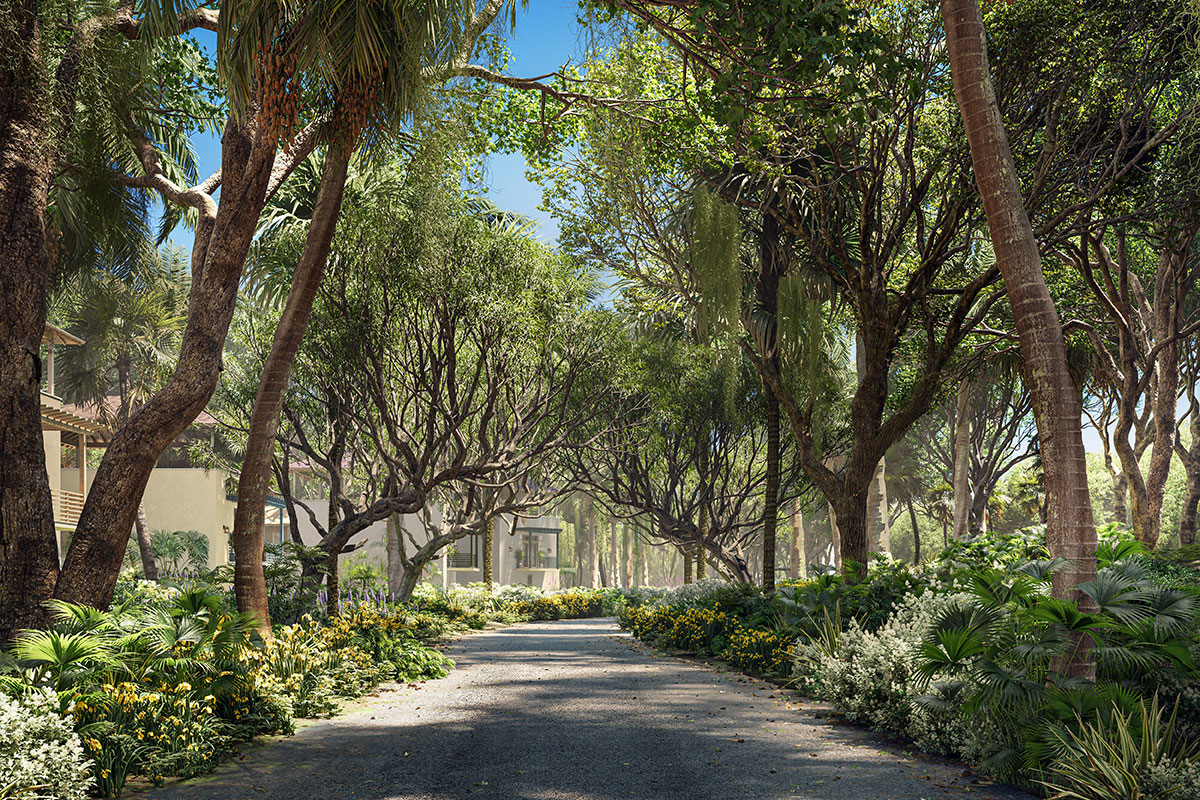
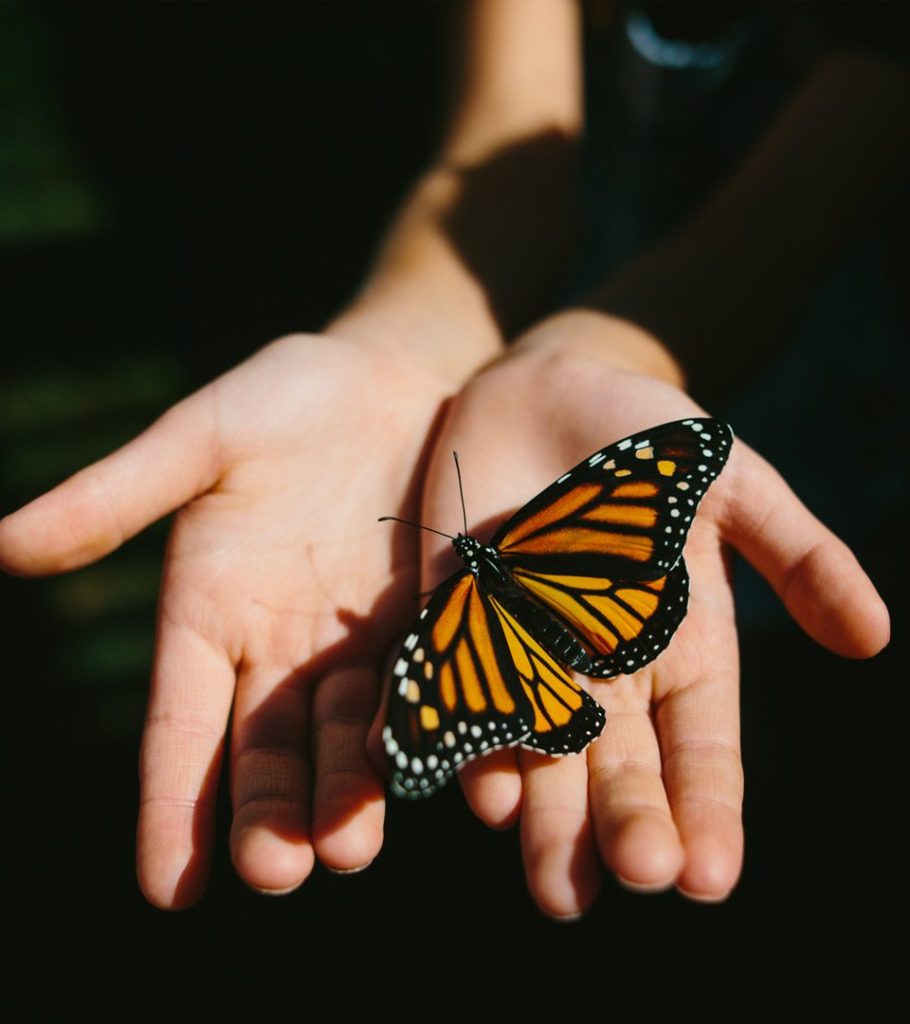
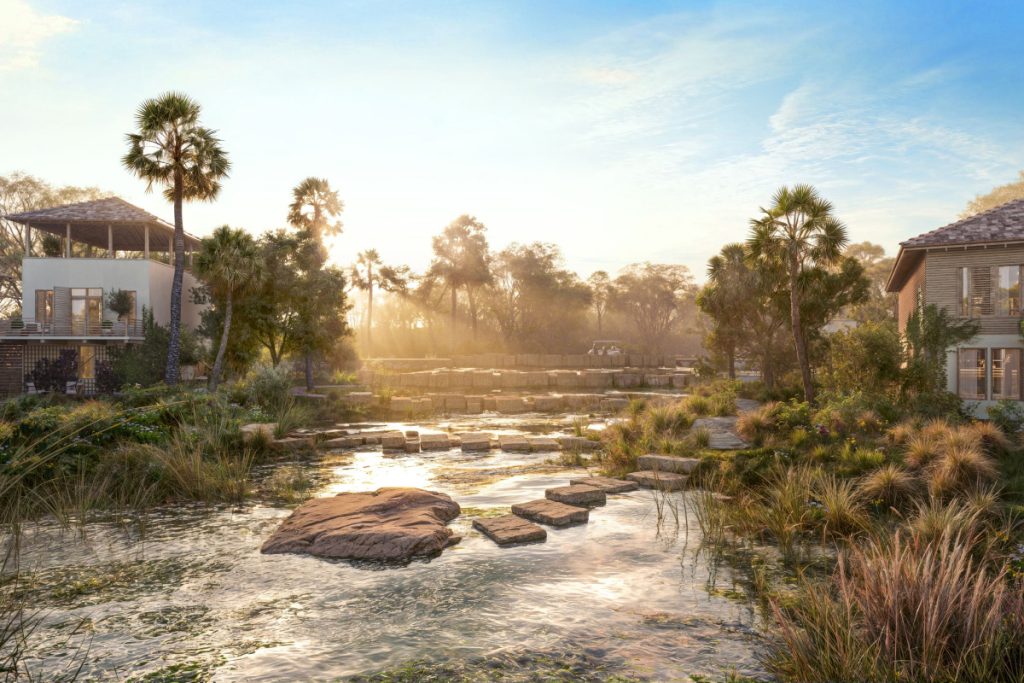
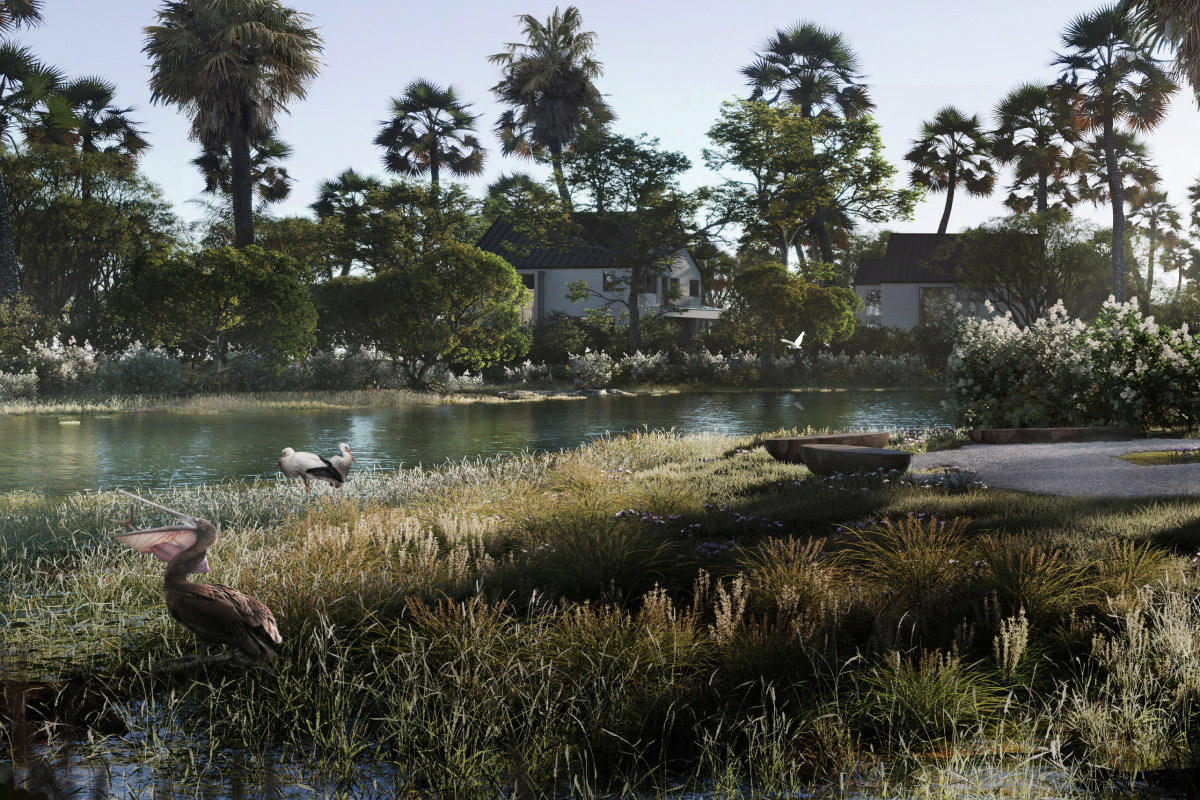
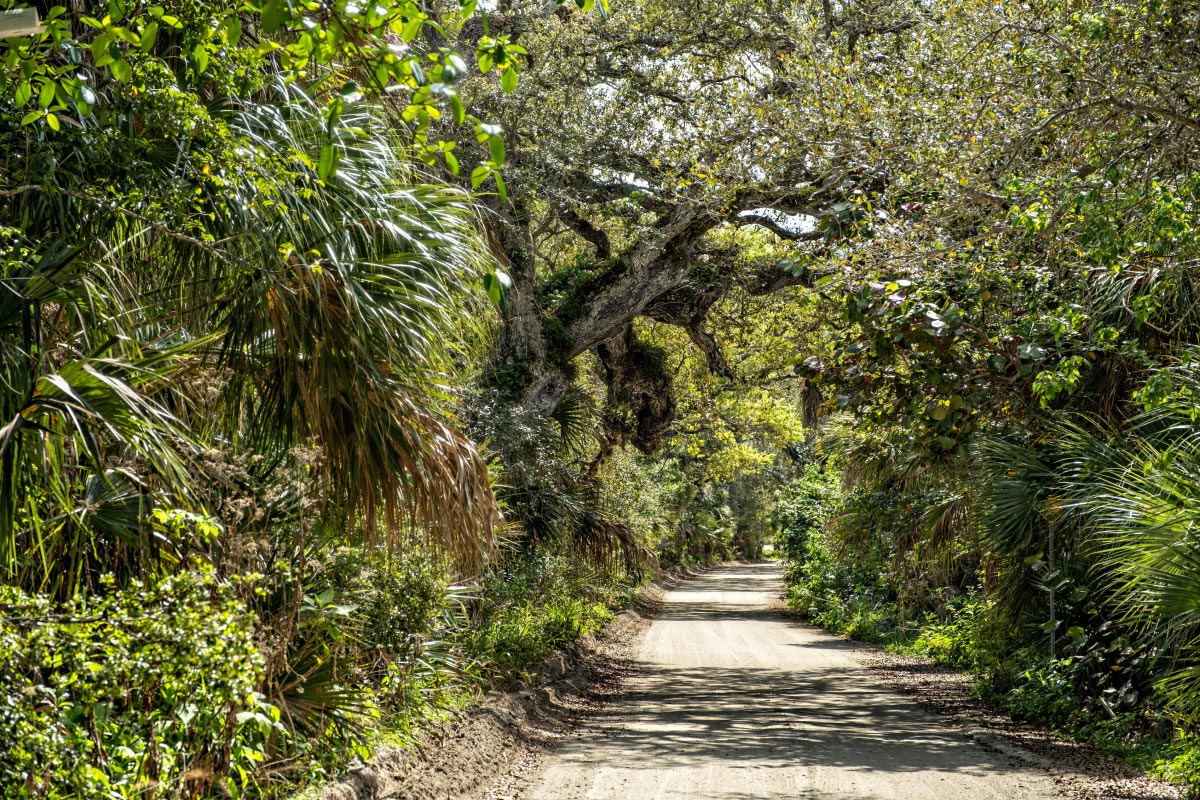
Landscaping inspired by the Indian River Lagoon’s rich ecology is a feast for the senses, a horticultural tapestry of native plant species selected for color, scent and suitability for the barrier island’s particular climate. It is an environment in which wildlife can continue to flourish.
RESIDENCES
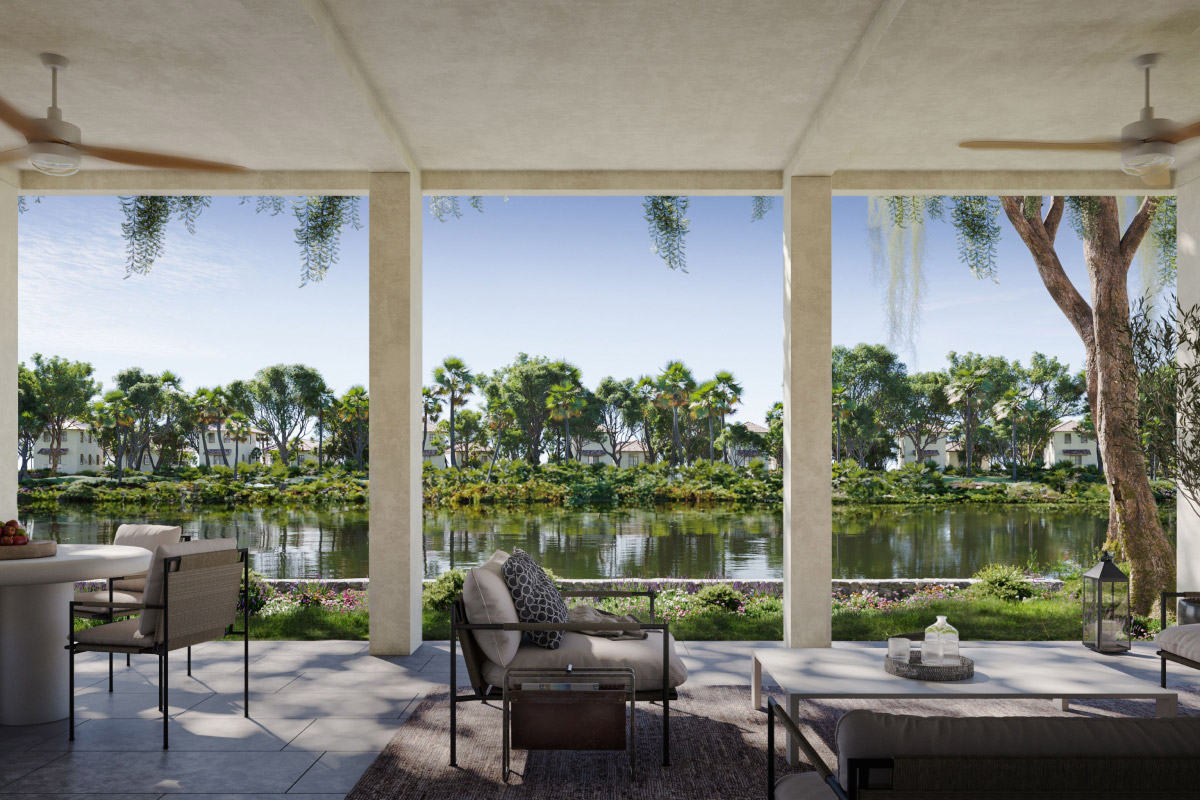
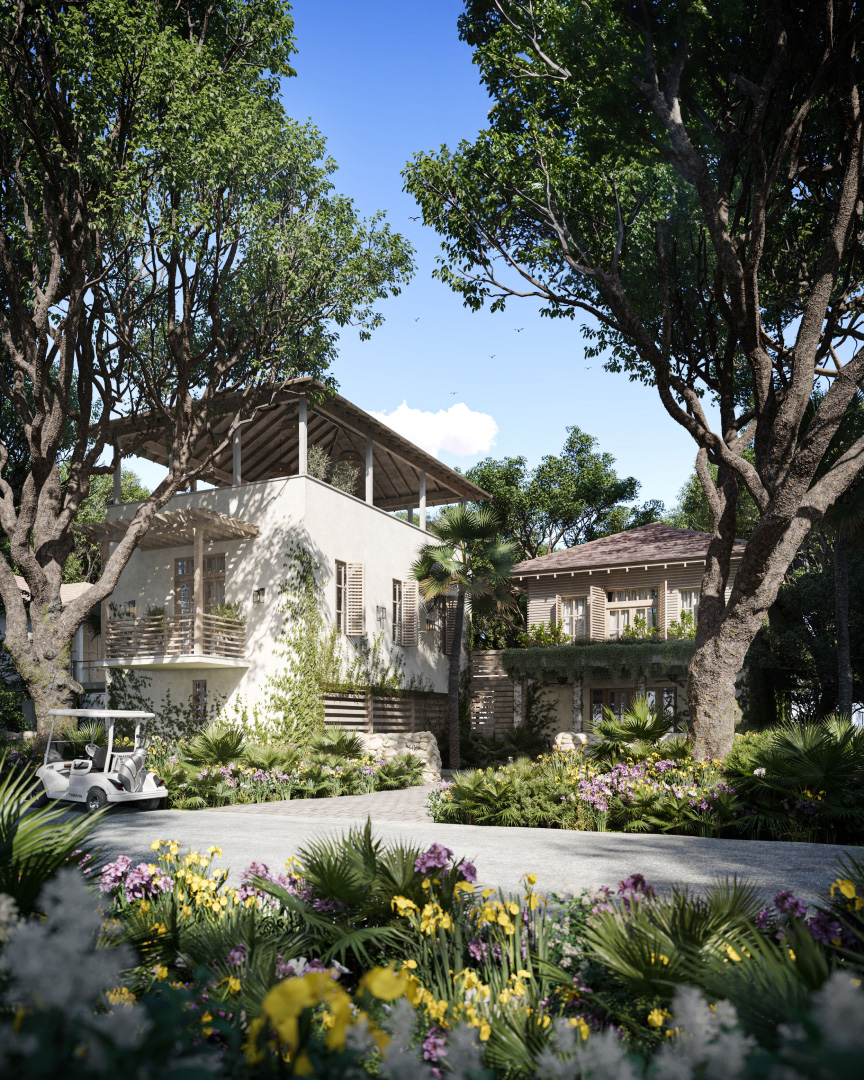
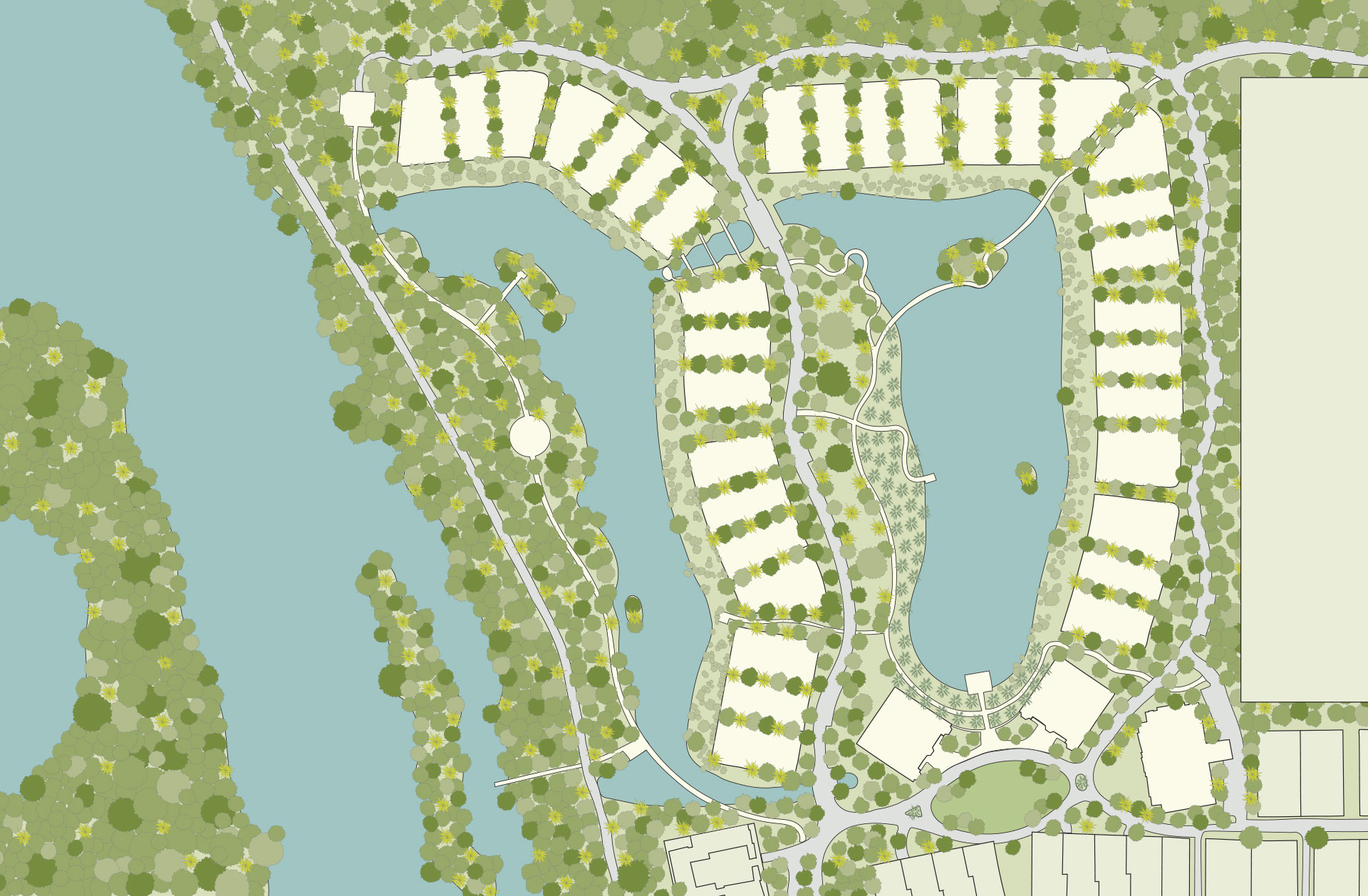
Encompassing 47 acres adjacent to the Indian River Lagoon, and featuring an estuary and a sparkling freshwater lake, the North Village is a natural and complementary extension of the existing Windsor community. America’s leading New Urbanism proponents, DPZ CoDESIGN, have designed the master plan, focusing on principles of sustainability, walkability, healthy living, and community values. A mix of 34 single-family residences and six Row Houses as well as new amenities will be built around the estuary and lake, providing opportunities for soothing water views.
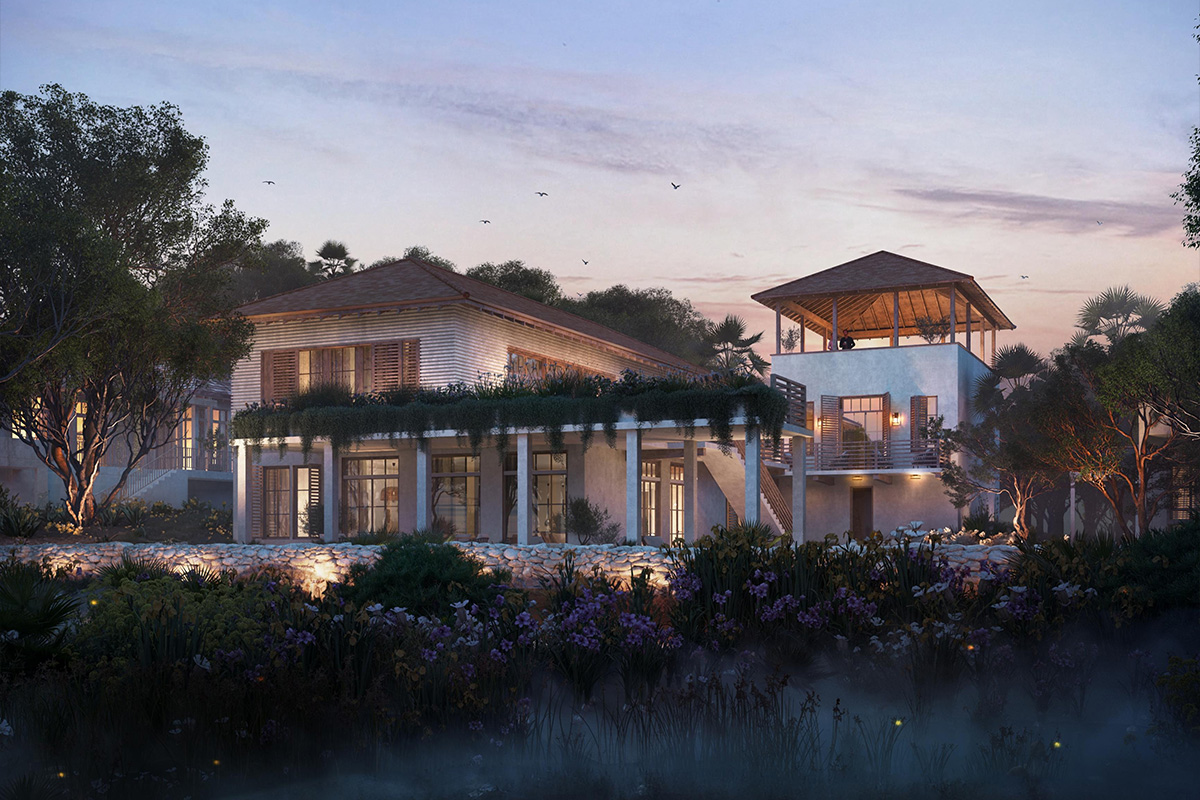
When you leave a beautiful place, you carry it with you wherever you go.
– Alexandra Stoddard
Architectural Refinements
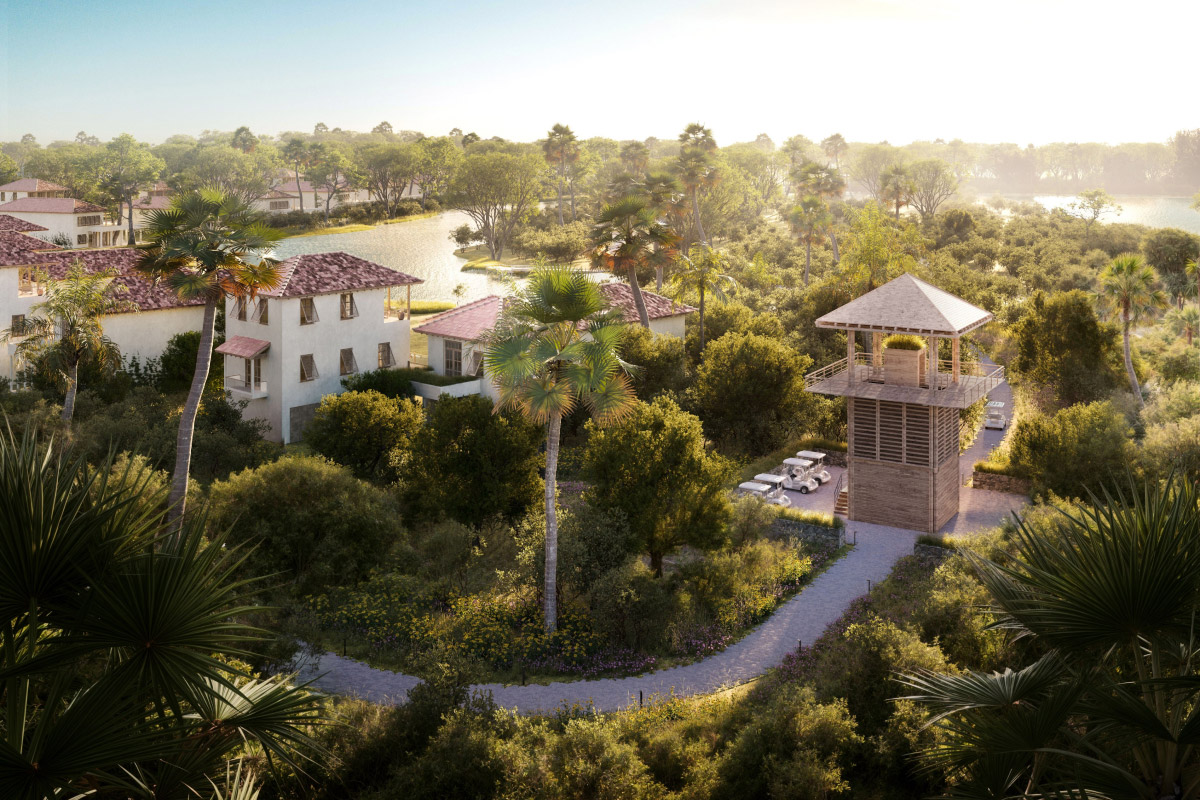
Windsor’s iconic Anglo-Caribbean architectural language will be subtly modified to engender a more contemporary aesthetic and incorporate sustainable building practices. This will open the door for a new generation of architects to realize their most ambitious visions on behalf of Members.
Nature At The Fore
The North Village quietly champions a holistic, thoughtfully integrated approach to sustainable living. From unique outdoor experiences across the lush landscape to a residential design code that brings sustainability home, nature is at the fore.

AMENITIES ABOUND
Windsor is a legacy endeavor for the Weston family. Just as Mr. and Mrs. Weston worked together to establish the community in the early 1990s, now Mrs. Weston and daughter Alannah Weston have shaped an evolved vision for Windsor’s North Village. Based upon the principles of the New Urbanism movement, their vision is enhanced with heightened focus on sustainability to ensure the North Village can be enjoyed for generations to come. A mix of residences, green public spaces and new amenities will combine to create an experience that balances privacy and community.
Art will never be able to exist without nature.
– Pierre Bonnard



explore north village


NORTH VILLAGE DESIGN
& DEVELOPMENT TEAM
A carefully assembled group of architects, planners, and environmental leaders brings a shared depth of experience to the North Village. Their collective work reflects a commitment to thoughtful design, long-term stewardship, and the enduring principles that have defined Windsor from its inception.
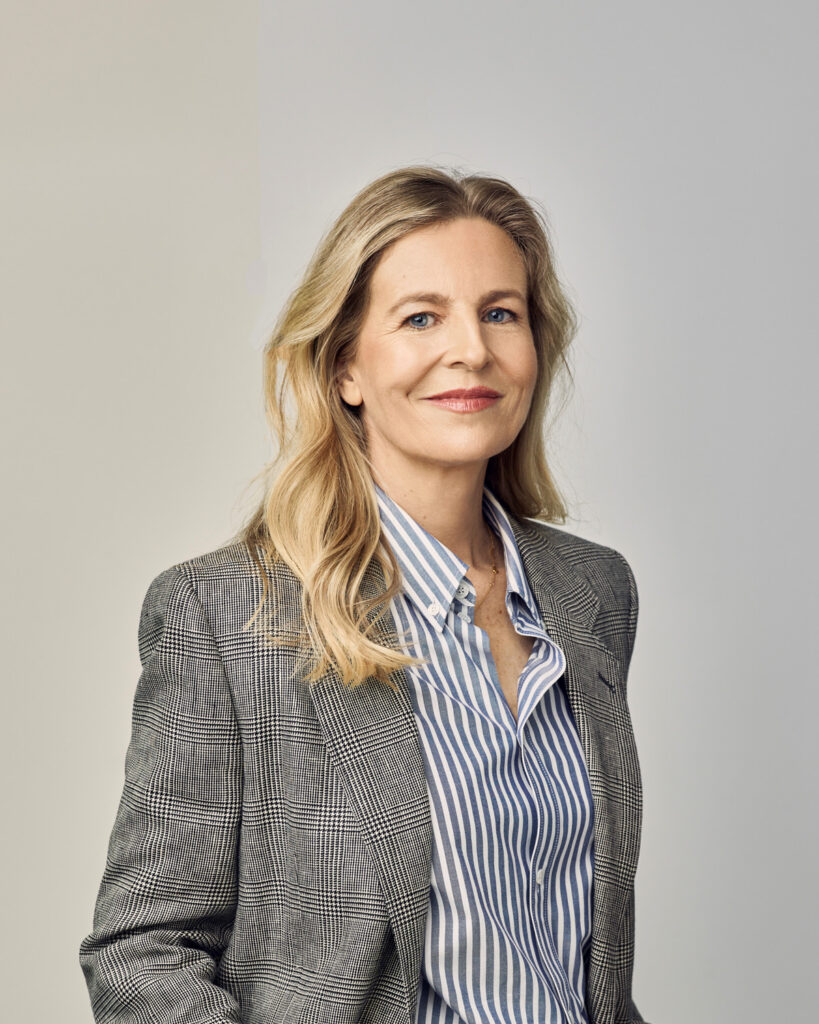
Alannah Weston
Principal, Windsor
The Oxford-educated daughter of W. Galen and Hilary M. Weston, Alannah Weston is a leader who has always championed sustainability and creativity in her work. Ms. Weston began her professional life in journalism, then went on to work as part of the turnaround team at Burberry before forming a creative studio in London. Through the studio, she led the creative direction of Windsor from 2001 to 2004. In addition to working with her mother on the development of Windsor’s brand and architecture, Ms. Weston founded The Gallery at Windsor, bringing artists from Ed Ruscha to Peter Doig to exhibit their work.
Ms. Weston went on to become creative director of Selfridges in 2004 and spent the next 10 years reinvigorating the iconic British department store through a focus on creativity and sustainability. Her tenure was distinguished by significant achievements. Selfridges was voted world’s best department store four times during this period. In addition, she spearheaded Project Ocean in collaboration with ZSL, Greenpeace and several other NGOs to raise awareness for overfishing. In 2020, they launched Project Earth, which set out tough materials commitments and launched a circular strategy including bringing rental, resale and repair to customers. From 2019 to 2022, Ms. Weston was chairman of Selfridges Group with responsibility for 25 stores across five brands worldwide: Brown Thomas and Arnotts in Ireland, De Bijenkorf in the Netherlands, Holt Renfrew in Canada and Selfridges in the United Kingdom.
In 2020, she launched her podcast, “How to Lead a Sustainable Business.” Ms. Weston is also a dedicated philanthropist, chairing the Galen and Hilary Weston Foundation in the UK as well as sitting on the board of several other family foundations and holding companies.
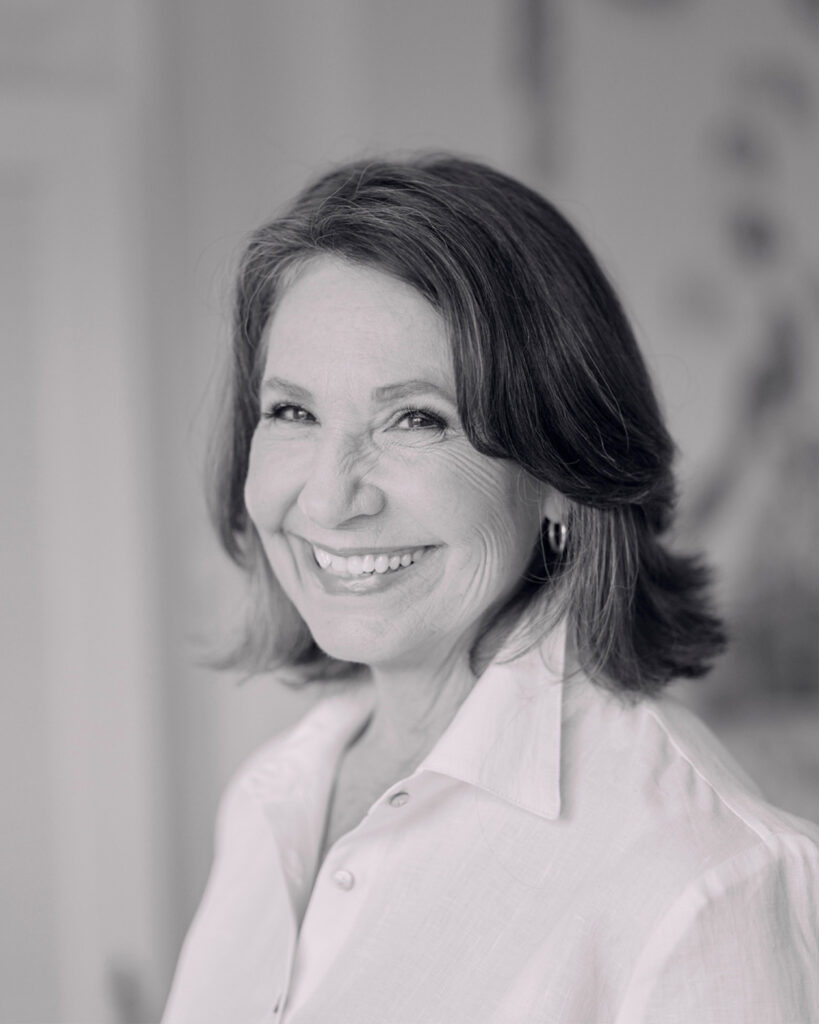
Elizabeth “Beth” Dowdle
Land Use Planner
Elizabeth “Beth” Dowdle is a land use planner with more than two decades of experience in conservation and regional planning. Her work has focused on aligning growth with environmental stewardship, with projects spanning New England and the southeastern United States.
Prior to relocating to Florida in 1992, Ms. Dowdle directed the World Wildlife Fund’s Boston office for the Successful Communities Program, where she provided technical assistance to municipalities managing growth while protecting natural resources. Her work ranged from conservation-based affordable housing on Block Island to the establishment of a land trust on Aquidneck Island, Rhode Island. In Florida, she advised the John D. and Catherine T. MacArthur Foundation on a long-term plan for its landholdings and, in collaboration with 1000 Friends of Florida, launched the Florida Greenways Program. She also directed the Loxahatchee Greenways Project, a regional initiative that resulted in the preservation of more than 33,000 acres of land.
As an officer of The Conservation Fund, Ms. Dowdle led the Sustainable Everglades Initiative in partnership with the MacArthur Foundation, coordinating efforts among public agencies and nonprofit organizations across South Florida. Her experience also includes roles in city and regional planning for local governments and advisory work on institutional master planning.
Ms. Dowdle has served on numerous boards and commissions focused on preservation and community planning. She holds degrees from East Carolina University and Harvard University’s Kennedy School of Government and is the author of Going Native: Gardening for Birds, Butterflies and Pollinators in Palm Beach.
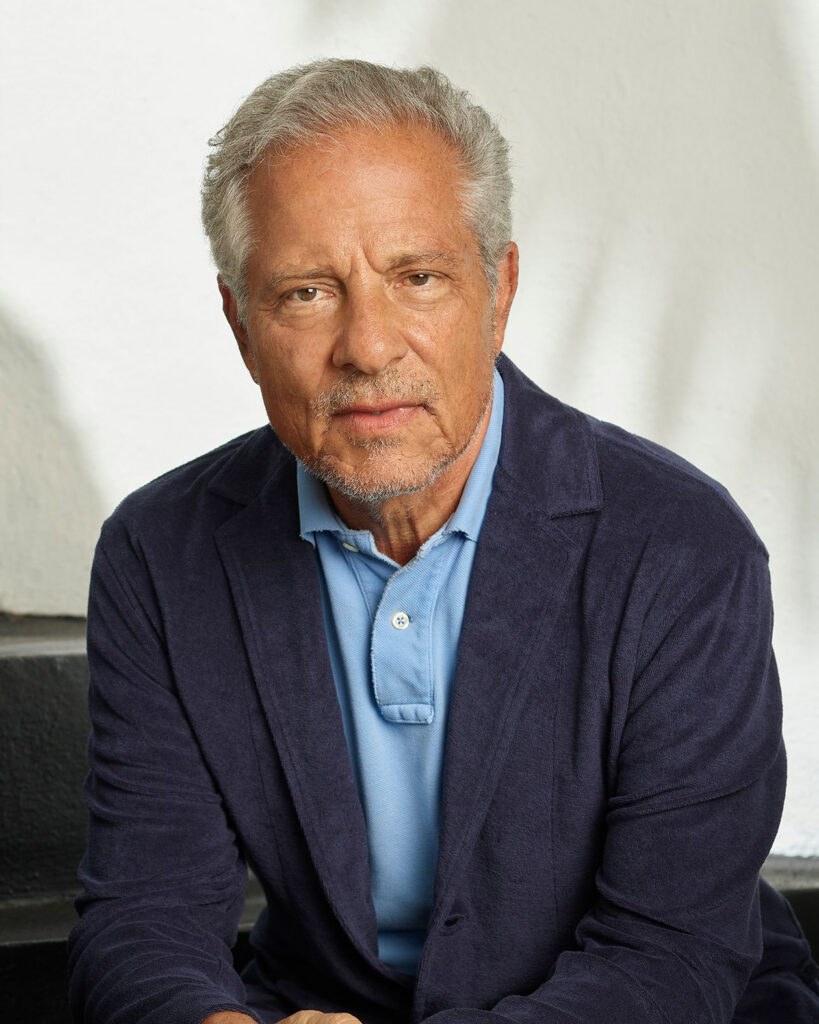
Andrés Duany, FAIA, CNU
Founding Partner, DPZ CoDESIGN
Andrés Duany is an architect and planner whose work has been central to the advancement of town and regional planning over the past four decades. In 1980, he co-founded DPZ with Elizabeth Plater-Zyberk at the time of their design of Seaside, Florida, a project that catalyzed a broader reexamination of suburban development patterns and helped establish the principles of the New Urbanism movement.
Through DPZ CoDESIGN, Mr. Duany has led the planning and design of more than 300 projects, with a focus on walkable communities, regional planning strategies, and the development of regulatory frameworks that guide long-term growth. The firm is widely recognized for its expertise in zoning and coding, integrating design practice with ongoing research into sustainable urban form.
Mr. Duany is a founding member of the Congress for the New Urbanism, established in 1993 to promote resilient, human-scaled communities. He has also served as a visiting professor at several universities across the United States, contributing to the academic and professional discourse on urbanism.
His published works include Garden Cities: Theory and Practice of Agrarian Urbanism, The Smart Growth Manual, Suburban Nation, The New Civic Art, and Landscape Urbanism and Its Discontents. His contributions to architecture and planning have been recognized with honors including the Driehaus Prize, the Scully Prize, the Jefferson Medal, and the Brandeis Medal.

F. Xavier Iglesias, CNU-A
Senior Associate, DPZ CoDESIGN
Xavier Iglesias is a planner and architectural designer with more than three decades of experience in master planning and building design. As a senior project manager at DPZ CoDESIGN, his work spans a range of scales, from rural communities to urban districts, with a focus on the integration of planning principles and design regulation.
Mr. Iglesias has led and contributed to numerous planning efforts for private developers, nonprofit organizations, and municipalities in the United States and internationally. His recent work includes the master plan for the Naples Design District, the vision plan for the Village of Key Biscayne, and the design of the North Village at Windsor in Vero Beach. He also directs the firm’s Healthcare Initiative, developing campus and community plans for major regional hospital systems.
In addition to his planning work, Mr. Iglesias has extensive experience across all phases of architectural design, from feasibility studies through construction documentation and observation. His portfolio includes residential, educational, medical, and civic projects, with notable contributions to residential design at Rosemary Beach and Alys Beach, as well as the development of several of DPZ’s smaller-scale communities.
Mr. Iglesias also oversees internal operations and communications at DPZ, including human resources and public relations. He is the editor of the firm’s online DPZ PULSE newsletter. He co-edited the firm’s principal monographs, Towns and Town-Making Principles (1991), The Architecture of Duany Plater-Zyberk and Company (2005), and the Richard H. Driehaus Prize Monograph (2008), and is currently working on a volume documenting its work in community design.
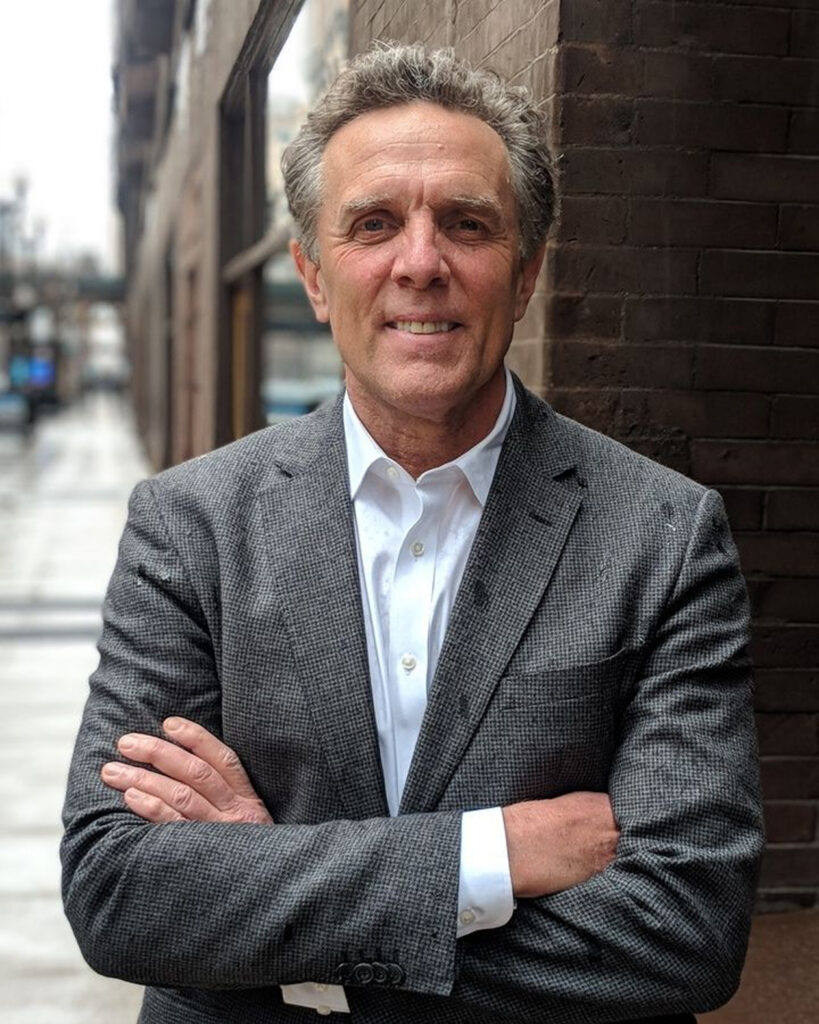
Doug Farr, FAIA, CNU-F
Douglas Farr is an architect, urbanist, and author whose work has focused on the integration of sustainable design principles with urban planning. He is the founder and principal of Farr Associates, a Chicago-based architecture and urban design practice recognized for its leadership in high-performance buildings and walkable communities.
Through Farr Associates, Mr. Farr has led a body of work that advances environmentally responsive design at both the building and neighborhood scale. The firm has received national recognition for its contributions to sustainable architecture, including two AIA Committee on the Environment (COTE) Top Ten Awards. Its projects reflect a consistent emphasis on durability, resource efficiency, and the long-term performance of the built environment.
Mr. Farr has played a central role in shaping national standards for sustainable development. He co-chaired the creation of the U.S. Green Building Council’s LEED for Neighborhood Development (LEED-ND), establishing a framework that integrates urbanism, infrastructure, and environmental performance. He has also served on the boards of environmental organizations including the Congress for the New Urbanism, Bioregional, Ecodistricts, Elevate Energy, Illinois Green Alliance, and the Climate Action Museum.
In addition to his design practice, Mr. Farr is the author of Sustainable Urbanism: Urban Design with Nature (2008) and Sustainable Nation: Urban Design Patterns for the Future (2018), both of which examine the relationship between planning and ecological systems. His work includes prior collaboration with DPZ CoDESIGN, contributing sustainability strategies and residential prototypes at Alys Beach.
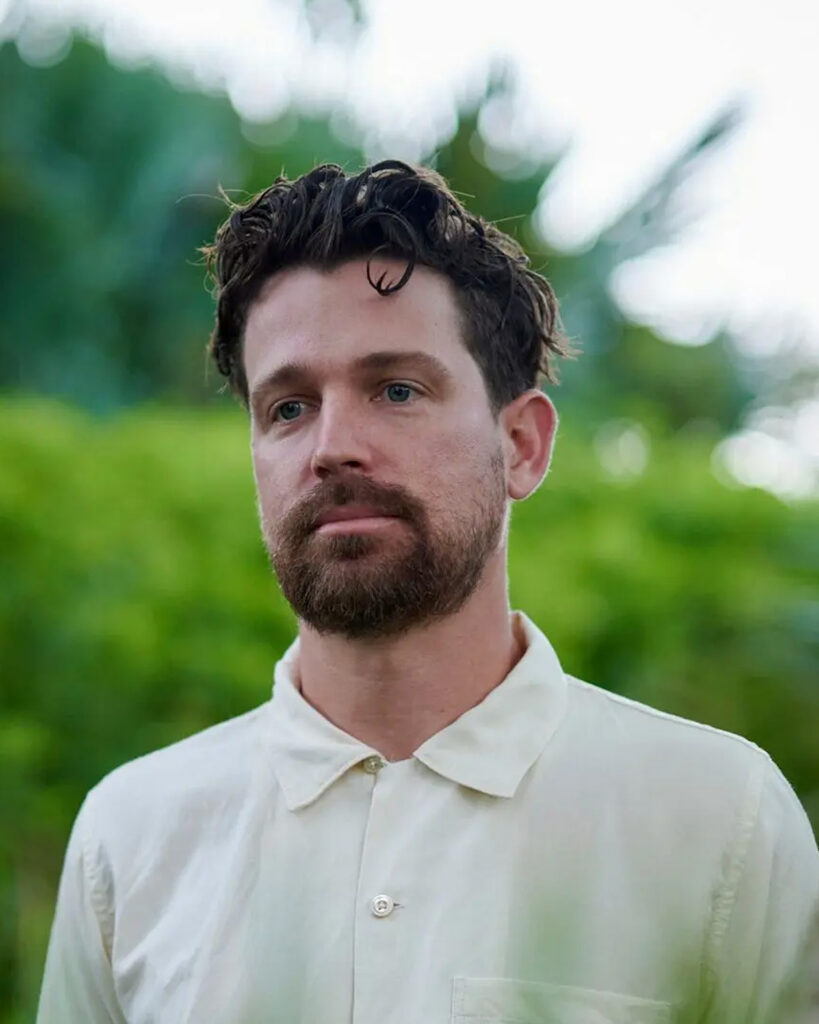
Isaac Stein, ASLA, PLA, RA
Design Principal, Dept.
Isaac Stein is an architect and landscape architect whose work focuses on the intersection of infrastructure and ecology. Originally from the Florida Panhandle, Isaac is the co-founder and design principal of the Houston-based studio Dept. Under his leadership, the studio maintains a diverse portfolio of residential, commercial, public, and infrastructural landscapes. Isaac’s work has been recognized by the Van Alen Institute, Radcliffe Institute of Advanced Study at Harvard University, the Architectural League of New York’s League Prize, the American Planning Association, Architect’s Newspaper, and the American Society of Landscape Architects.
Before establishing Dept., Isaac spent years working on complex open space projects in both New York and Rotterdam as a design lead at the renowned firm West 8 This experience informs his current practice, where he frequently collaborates with leading architects to create impactful and legible landscapes that create a sense of place.
Isaac’s research on coastal flooding and sea level rise has made him a leading authority on climate resilience and adaptation, and he has lent his insights to stories in the Miami Herald, Vanity Fair, Texas Architect, and more. Through his practice, Isaac continues to define how cities can thrive in a changing climate through rigorous design and interdisciplinary collaboration.

Maggie Tsang, ASLA, PLA, RA
Managing Principal, Dept.
Maggie Tsang is a landscape architect and urbanist dedicated to reimagining the relationship between cities and nature. As co-founder and managing principal of the Houston-based studio Dept., she leads award-winning projects that integrate ecological resilience with urban design. Maggie’s work has been recognized by the Van Alen Institute, Radcliffe Institute of Advanced Study at Harvard University, the Architectural League of New York’s League Prize, the American Planning Association, Architect’s Newspaper, and the American Society of Landscape Architects.
Beyond her practice, Maggie is an Assistant Professor at Rice University, where she explores how infrastructure—from stormwater systems to managed gardens—can better serve both communities and ecosystems. She currently leads the Prairie Plots research project, an initiative at Rice that transforms traditional campus lawns into biodiverse, endemic prairie habitats.
Maggie has spoken widely on the intersection of design and ecology at institutions including Harvard Graduate School of Design and Tulane University School of Architecture. Her forthcoming book Garden Ecologies explores the relationship between ecological systems, constructed landscapes, and land management. Through her academic work and design practice, she is a leading advocate for integrating ecological principles into the built environment.

Scott Merrill
Principal, Merrill, Pastor & Michael Architects
Scott Merrill is an architect whose work has been closely associated with the development of Windsor since its earliest stages. He is the principal of Merrill, Pastor & Michael Architects, a Vero Beach–based practice he established in 1990 after relocating from Washington, D.C.
Prior to founding his firm, Mr. Merrill served as Town Architect for Seaside, a formative New Urbanist community designed by DPZ CoDESIGN. At Windsor, he has played a central role in shaping the architectural character of the community, with responsibility for the design of the Village Centre and its public buildings, the Windsor Park Residences, and numerous private homes. He also served as architect of record for the Town Hall designed by Léon Krier.
Mr. Merrill continues to contribute to Windsor’s ongoing evolution, including the design of the community’s Fitness and Wellness Centre. His work reflects a sustained engagement with traditional architecture and urbanism, with an emphasis on proportion, material, and the relationship between buildings and public space.
Over the course of his career, Mr. Merrill has received multiple honors from the American Institute of Architects at both the state and national levels. His work has also been recognized with the Arthur Ross Award, the Seaside Prize, and the Driehaus Award. He holds a Bachelor of Arts from the University of Virginia and a Master of Architecture from Yale University.
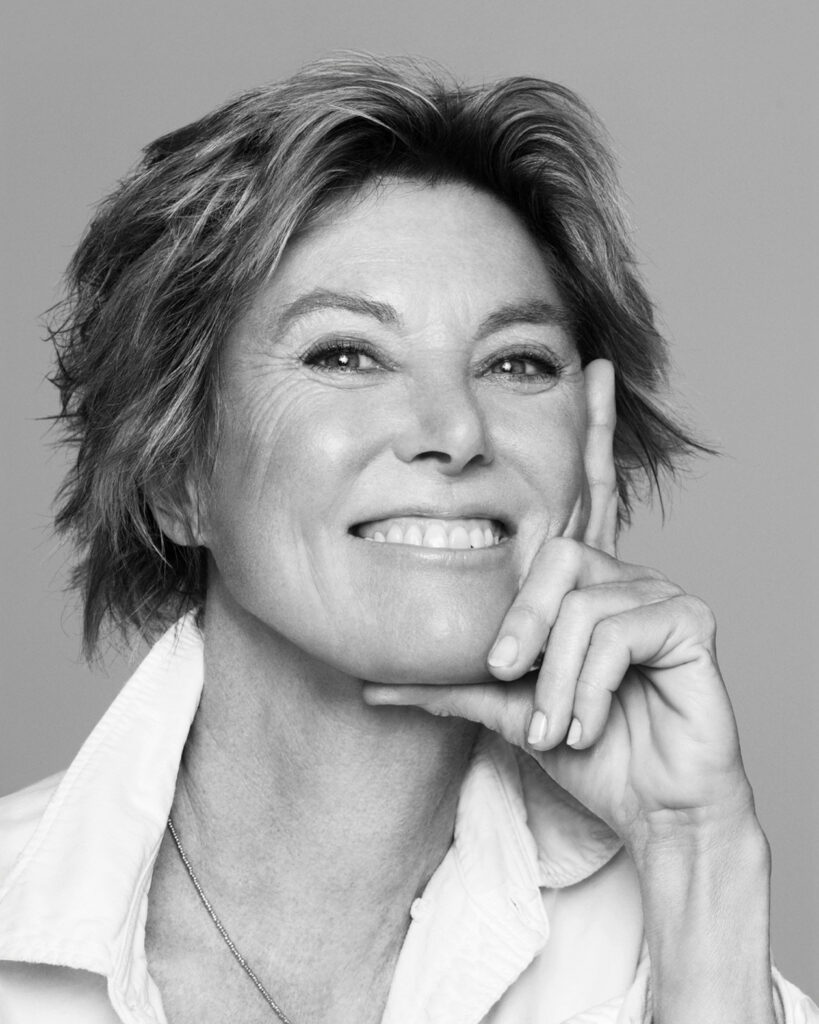
Edwina von Gal
Principal Landscape Designer, Edwina von Gal + Co. Founder and President, Perfect Earth Project
Edwina von Gal is a landscape designer whose work has consistently advanced the integration of ecological principles with design. Since founding her practice in 1984, she has created landscapes for private and public clients internationally, with an emphasis on simplicity, sustainability, and the use of native plant systems.
Ms. von Gal has collaborated with leading architects and designers on projects that bridge the disciplines of art, architecture, and landscape, including work with Maya Lin, Frank Gehry, Annabelle Selldorf, and Toshiko Mori. Her projects span cultural institutions, residential properties, and public landscapes, reflecting a sustained commitment to environmental stewardship and long-term ecological performance. Her work has been widely published, and her book Fresh Cuts received the Quill and Trowel Award for garden writing.
Her design practice has been complemented by a series of initiatives focused on conservation and public education. In 2008, she founded the Azuero Earth Project in Panama, promoting native reforestation without the use of synthetic chemicals. She later established the Perfect Earth Project, a nonprofit organization dedicated to advancing toxin-free landscape practices and habitat restoration.
Ms. von Gal serves on the boards and advisory groups of a variety of cultural and environmental organizations. Her contributions to landscape design and environmental advocacy have been widely recognized. She is the recipient of the New York Horticultural Society’s Award for Excellence, the Institute of Classical Architecture and Art’s Arthur Ross Award, and Guild Hall’s Academy of the Arts Lifetime Achievement Award for the Visual Arts. Additional honors include the New York School of Interior Design’s Green Design Award, the Isamu Noguchi Award, and the Conservator Award from the Quogue Wildlife Refuge.